How to Care for Your Yard Naturally and Effectively
A healthy lawn doesn’t happen by accident. It takes consistent care, the right timing, and a little know-how. Whether you’re aiming for lush green grass or simply want a tidy, healthy yard, understanding proper lawn care — including natural methods — can make all the difference.
Start with Healthy Soil
Great lawns grow from great soil. Before adding fertilizers or treatments, consider testing your soil to see what nutrients it may be lacking. Many local extension offices offer affordable soil testing.
Healthy soil should have:
- Proper pH balance (most grasses prefer 6.0–7.0)
- Good drainage
- Organic matter to support root growth
To improve soil naturally, add compost once or twice a year. Compost enriches the soil with nutrients, improves structure, and encourages beneficial microorganisms that support strong grass roots.
Mow the Right Way
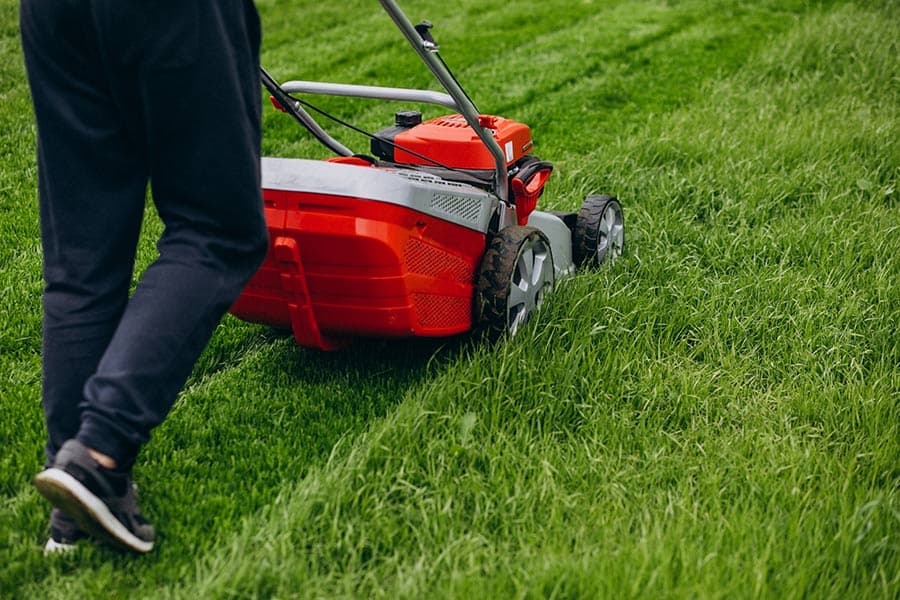
Mowing seems simple, but doing it correctly is essential. One of the biggest mistakes homeowners make is cutting grass too short. Taller grass develops deeper roots and shades out weeds.
Follow these mowing tips:
- Never remove more than one-third of the grass blade at a time.
- Keep mower blades sharp to avoid tearing the grass.
- Leave grass clippings on the lawn (grasscycling) to naturally return nitrogen to the soil.
Different grass types have different ideal heights, so research what works best in your region.
Water Wisely
Overwatering is just as harmful as underwatering. Lawns typically need about 1 to 1.5 inches of water per week, including rainfall.
Best practices:
- Water deeply and less frequently to encourage deep roots.
- Water early in the morning to reduce evaporation and fungal growth.
- Avoid daily shallow watering, which weakens roots.
Installing a rain gauge can help you track how much water your lawn actually receives.
Feed Your Lawn Naturally
While synthetic fertilizers offer quick results, natural methods build long-term soil health.
Natural fertilizing options include:
- Compost top-dressing
- Aged manure
- Organic lawn fertilizers made from plant or animal byproducts
- Grass clippings left on the lawn
You can also try compost tea — a liquid solution made by steeping compost in water — to deliver nutrients directly to the soil and stimulate microbial activity.
Control Weeds the Natural Way
Weeds often signal underlying issues like compacted soil or poor drainage. Instead of relying solely on chemical herbicides, try these natural methods:
- Pull weeds by hand after rainfall when soil is soft.
- Use corn gluten meal as a natural pre-emergent weed suppressant.
- Improve lawn thickness through overseeding to crowd out weeds.
- Maintain proper mowing height to shade weed seeds.
A dense, healthy lawn is the best defense against unwanted invaders.
Aerate and Overseed
Compacted soil restricts root growth and water absorption. Aerating once a year — especially in high-traffic areas — helps loosen the soil and allows nutrients to penetrate more deeply.
After aerating, overseed thin or patchy areas. This thickens your lawn and helps prevent weed growth. Choose grass seed varieties suited to your climate for the best results.
Practice Seasonal Care
Lawn care changes with the seasons:
- Spring: Light fertilizing and overseeding.
- Summer: Focus on proper watering and mowing.
- Fall: Aerate, fertilize, and prepare roots for winter.
- Winter: Minimize foot traffic on dormant grass.
Consistency throughout the year leads to stronger roots and greener growth when it matters most.
Caring for your lawn doesn’t require harsh chemicals or complicated routines. By focusing on soil health, proper mowing, smart watering, and natural treatments, you can cultivate a yard that’s not only beautiful but environmentally friendly. A little attention each week goes a long way toward creating a lawn you’ll be proud to enjoy all season long.
Related Articles
Mar 10, 2026
Welcome to Our New Website
Home Financial Group is excited to announce the launch of our brand-new website, designed to better serve Florida homebuyers and homeowners.
Mar 6, 2026
Water Softeners: Pros and Cons for Your Home
If you’ve ever noticed white spots on your dishes, soap that doesn’t lather well, or dry skin after a shower, you might be dealing with hard water. Hard water contains high levels of minerals like calcium and magnesium, which can cause a variety of household issues. One common solution is […]
Feb 27, 2026
Get Your Home Ready Before the Heat Hits
As winter fades and the days start warming up, it’s easy to put off home maintenance. But tackling a few key tasks before the temperatures soar can save you money, prevent breakdowns, and make your home more comfortable all summer long. A little preparation now means fewer emergencies later — […]