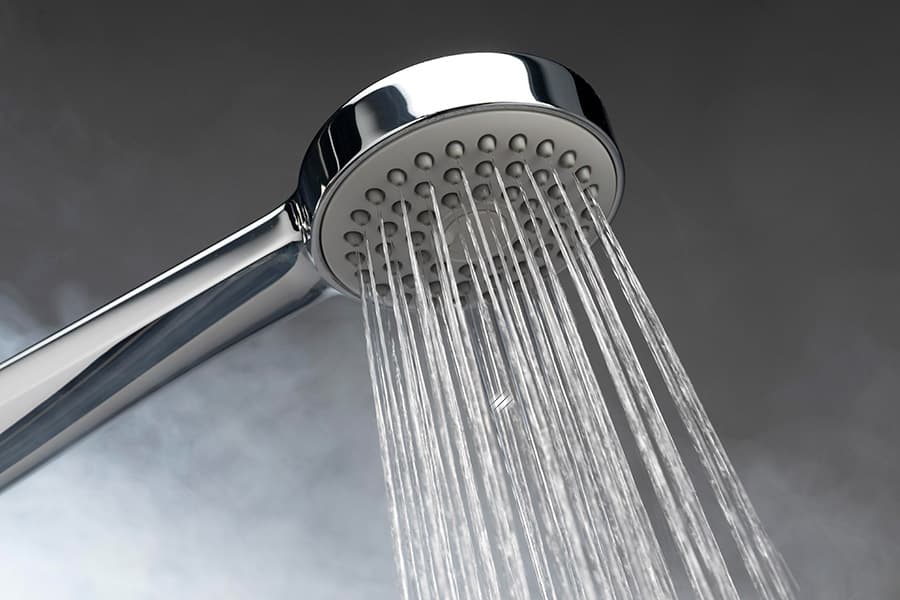
If you’ve ever noticed white spots on your dishes, soap that doesn’t lather well, or dry skin after a shower, you might be dealing with hard water. Hard water contains high levels of minerals like calcium and magnesium, which can cause a variety of household issues. One common solution is installing a water softener, a system designed to remove those minerals from your water supply. While water softeners offer several benefits, they also come with some potential drawbacks. Understanding both sides can help you decide if installing one in your home is the right choice.
The Pros of Installing a Water Softener
One of the biggest advantages of a water softener is how it protects your plumbing and appliances. Hard water minerals can build up inside pipes, water heaters, dishwashers, and washing machines. Over time, this buildup—often called scale—can reduce efficiency and shorten the lifespan of your appliances. A water softener helps prevent this mineral buildup, which can save you money on repairs and replacements.
Another major benefit is improved cleaning performance. Soft water allows soap and detergent to dissolve more effectively. This means your dishes may come out of the dishwasher cleaner and spot-free, your laundry may feel softer, and you may even use less detergent overall. Many homeowners notice brighter clothes and less residue left behind after washing.
Soft water can also be better for your skin and hair. Hard water can leave mineral residue on your skin, which may cause dryness or irritation for some people. With softened water, soap rinses away more easily, leaving your skin feeling smoother and your hair softer. For those with sensitive skin, this difference can be especially noticeable.
Additionally, a water softener can help reduce the appearance of mineral stains around your home. Hard water often leaves chalky white buildup on faucets, shower doors, and sinks. Soft water minimizes these deposits, making bathrooms and kitchens easier to clean and maintain.
The Cons of Installing a Water Softener
Despite the benefits, there are also a few downsides to consider. One of the most common concerns is the upfront cost. Purchasing and installing a water softener system can be a significant investment depending on the size and type of unit. Professional installation may add additional expense as well.
Water softeners also require ongoing maintenance. Most systems use salt to remove minerals from the water through a process called ion exchange. This means you’ll need to regularly add salt to the system and occasionally clean or service the unit. While maintenance is generally simple, it does require some attention.
Another potential drawback is increased water usage. Some water softener systems use additional water during the regeneration cycle, when the system cleans itself and flushes out the collected minerals. This could slightly increase your monthly water bill.
With the right information, you can determine whether a water softener is the right solution to help keep your home running smoothly.
Related Articles
Mar 10, 2026
Welcome to Our New Website
Home Financial Group is excited to announce the launch of our brand-new website, designed to better serve Florida homebuyers and homeowners.
Feb 27, 2026
Get Your Home Ready Before the Heat Hits
As winter fades and the days start warming up, it’s easy to put off home maintenance. But tackling a few key tasks before the temperatures soar can save you money, prevent breakdowns, and make your home more comfortable all summer long. A little preparation now means fewer emergencies later — […]
Feb 20, 2026
What Do You Need to Qualify for a Mortgage?
Buying a home is exciting—but before you start touring properties, it’s important to understand what lenders look for when approving a mortgage. Qualifying for a home loan isn’t just about finding the right house; it’s about showing a lender that you’re financially prepared to handle the responsibility. Here’s a breakdown […]