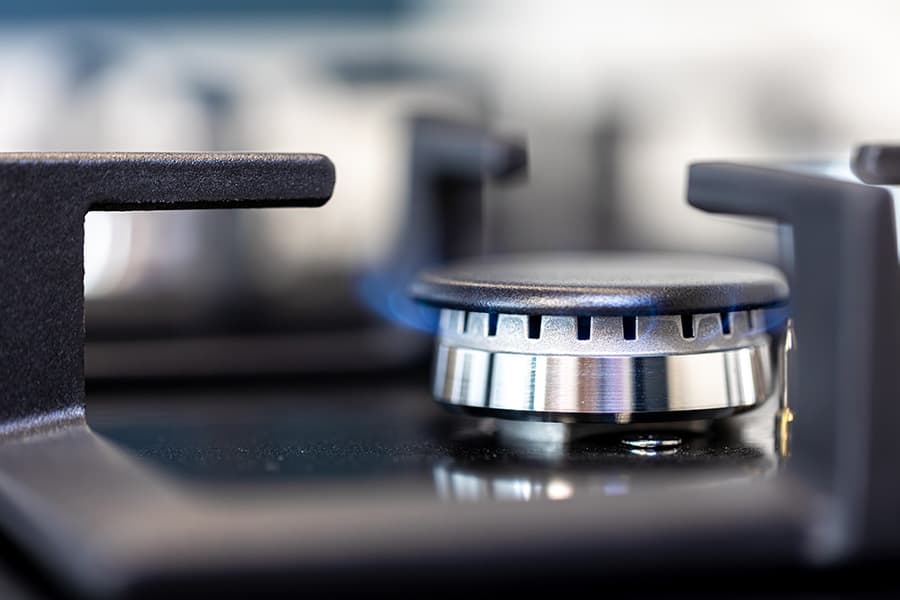
If you’re a homeowner considering upgrading your kitchen or laundry setup, you may have wondered whether gas appliances are worth the switch. Gas ovens, ranges, and dryers are popular for their performance and energy efficiency—but making the change requires a bit of planning. Here’s a breakdown of how gas differs from electric and what steps you need to take before bringing natural gas into your home.
Gas vs. Electric: What’s the Difference?
-
Performance
-
gas models typically heat faster, which can reduce drying time and energy use. Electric dryers are still the more common option, but they often consume more electricity to reach the same temperatures.
-
Energy Efficiency and Cost
-
electric appliances are generally cheaper upfront, while gas appliances may have a higher purchase price and installation cost due to the need for proper venting and hookups.
-
Maintenance and Safety
Steps for Getting Gas Into Your Home
If your home doesn’t currently have natural gas service but you’d like to install gas appliances, here’s what the process typically involves:
Check for Gas Availability in Your AreaThe first step is contacting your local gas utility company to confirm that natural gas lines run through your neighborhood. Not all areas are serviced, especially rural or newly developed communities.
The utility will let you know:
- If gas is available nearby
- How far the main line is from your property
- What the connection cost will be (some companies offer incentives or discounted installation)
Apply for Service and Set Up a Site VisitOnce you confirm availability, you’ll submit an application for service. The gas company will schedule a site visit to evaluate:
- Where the service line will enter your property
- Where the gas meter will be installed
- The best route to extend the line from the street to your home
They’ll also discuss any fees, timelines, and safety requirements.
Hire a Licensed Contractor for Interior Gas LinesThe utility provides the meter and service line, but a
licensed contractor or plumber must install the interior lines that run from the meter to your appliances.
They will:
- Design the gas piping layout
- Obtain any required permits
- Install shut-off valves, connectors, and regulators
- Ensure the setup is code compliant
This is not a DIY project—professional installation ensures your home stays safe and qualifies for inspections.
Schedule InspectionsMost cities require at least one inspection to confirm the interior gas lines are installed correctly. Your contractor typically coordinates this.
After approval, the utility company will turn on the service and test the pressure to confirm all lines are functioning properly.
Install Your New AppliancesOnce the lines are active, your contractor or appliance company can complete the hookup and test each appliance to ensure it’s working safely.
Before You Make the Switch
Switching to gas can enhance home value, improve energy efficiency, and offer better cooking performance—but it does require planning and professional installation. If you’re considering the upgrade, start by checking gas availability and gathering installation estimates so you can make an informed decision.
Related Articles
Mar 10, 2026
Welcome to Our New Website
Home Financial Group is excited to announce the launch of our brand-new website, designed to better serve Florida homebuyers and homeowners.
Mar 6, 2026
Water Softeners: Pros and Cons for Your Home
If you’ve ever noticed white spots on your dishes, soap that doesn’t lather well, or dry skin after a shower, you might be dealing with hard water. Hard water contains high levels of minerals like calcium and magnesium, which can cause a variety of household issues. One common solution is […]
Feb 27, 2026
Get Your Home Ready Before the Heat Hits
As winter fades and the days start warming up, it’s easy to put off home maintenance. But tackling a few key tasks before the temperatures soar can save you money, prevent breakdowns, and make your home more comfortable all summer long. A little preparation now means fewer emergencies later — […]